



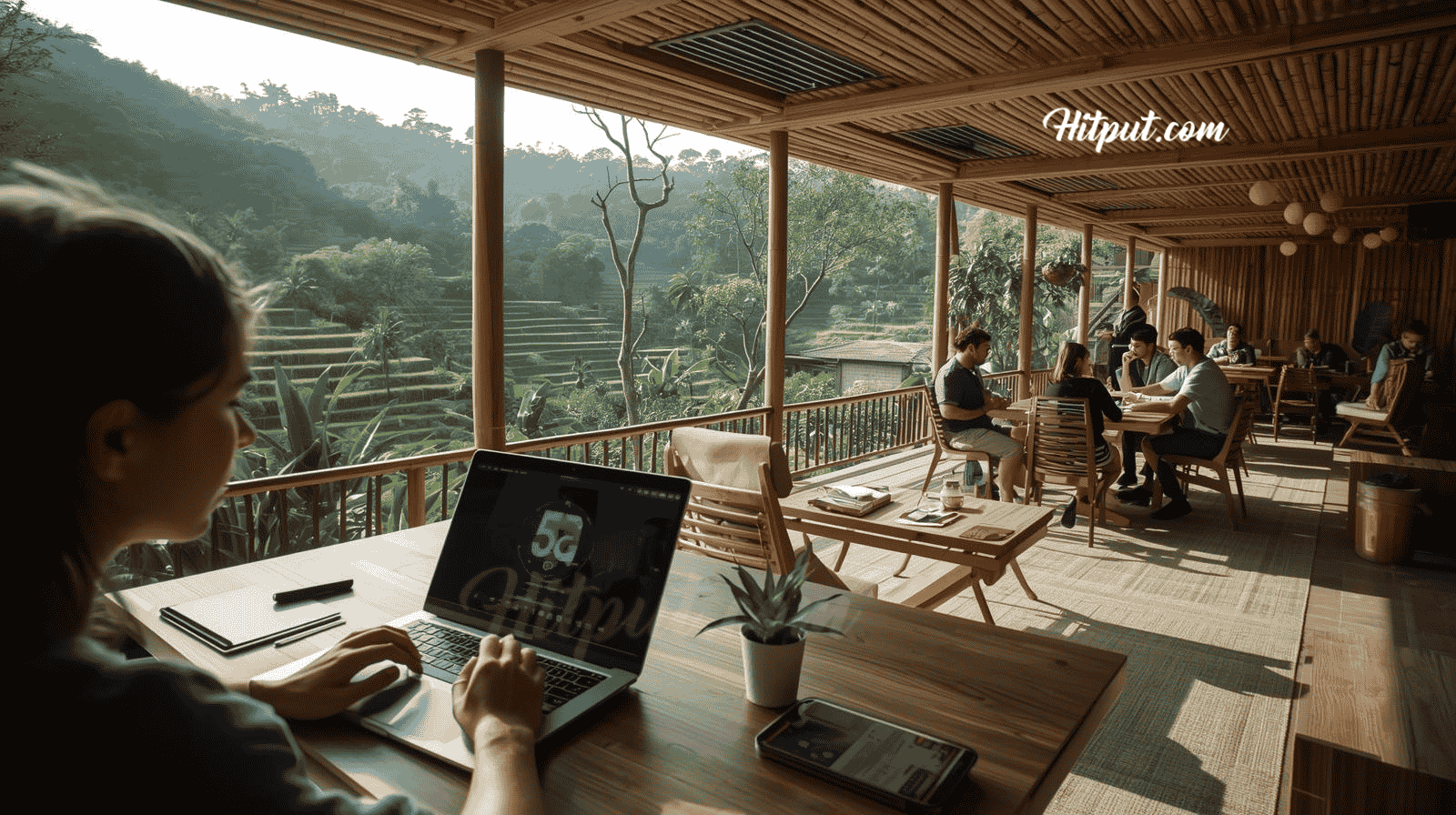
Hitput.com – In 2026, Southeast Asia has transitioned from a “backpacking with a laptop” destination to a world-class remote work ecosystem. The rise of “Slowmading”—staying 3–6 months in one spot—is fueled by Thailand’s 5-year DTV and Indonesia’s E33G Remote Worker KITAS. With 5G-enabled “Smart Villages” and costs remaining 50-70% lower than in the West, the region offers the ultimate balance of productivity and cultural depth.
1. The 2026 Visa Landscape: Stability is the New Flex
Gone are the days of monthly “border runs.” In 2026, governments are competing for your long-term presence.
Thailand’s Destination Thailand Visa (DTV): The 2026 gold standard. A 5-year multi-entry visa.
The 2026 Catch: Embassies now strictly enforce the 90-day bank balance rule. You must show ~$14,500 (500k THB) sitting untouched for 3 months before applying.
Indonesia’s E33G Remote Worker KITAS: Perfect for high-earners.
Requirement: An annual income of $60,000 and a foreign employment contract. It allows you to stay 1 year (renewable) and open local bank accounts.
Vietnam’s UĐ1 Visa: Launched in late 2025/early 2026, this “Tech Talent” visa offers up to 5 years for digital experts and high-level professionals, specifically targeting the Da Nang tech corridor.
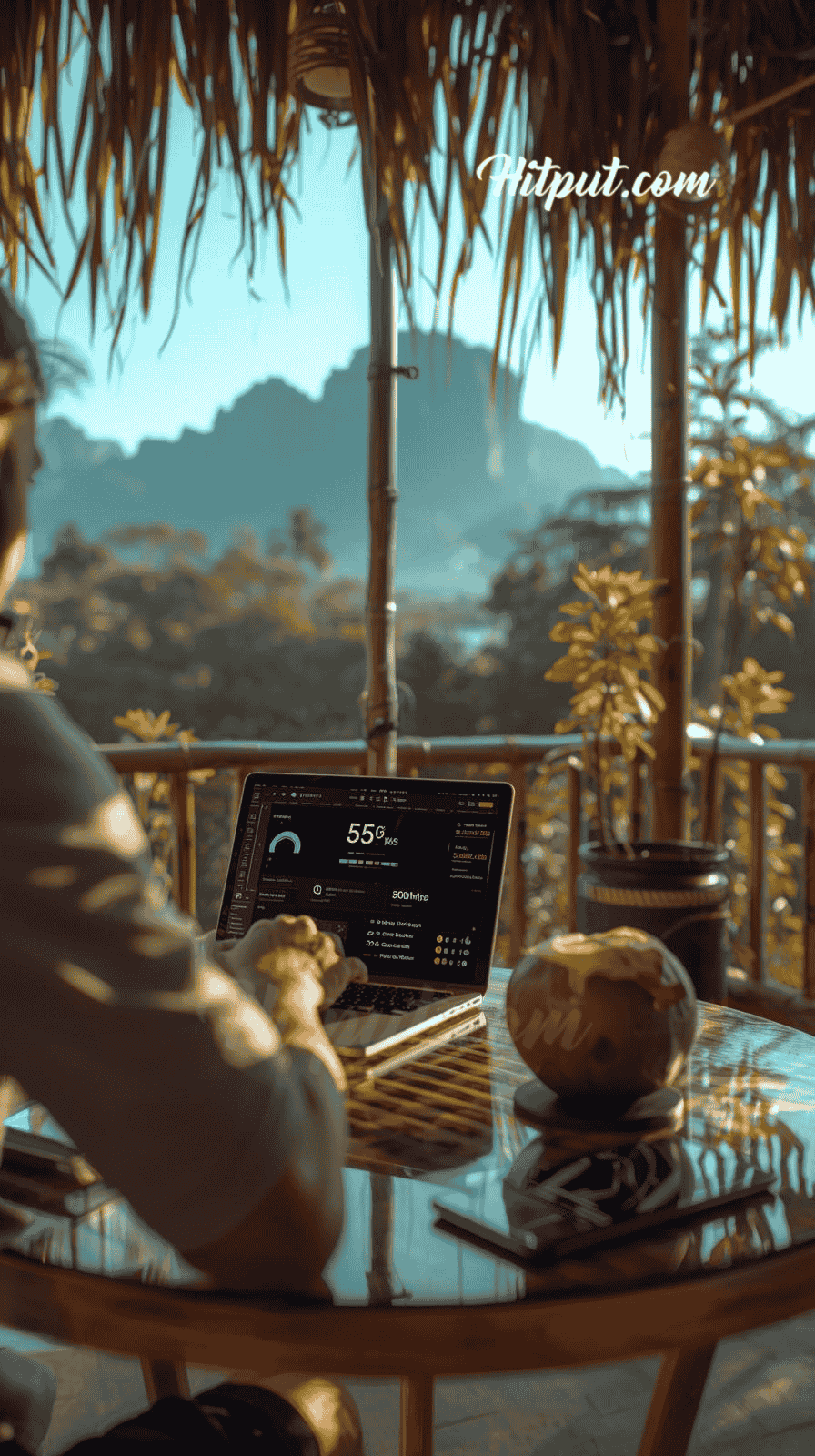
While Vietnam remains a top ‘Slow Living’ destination, 2026 has brought strict new enforcement on residence registration and overstay fines. Before you book your beachfront villa in Da Nang, watch this critical update from legal experts on the new 10-year UD1 visas and the 24-hour registration rule.
Detailed “Slow Living” 6-Month Itinerary (Da Nang, Vietnam)
Focus: Deep integration and “Asynchronous” productivity.
Months 1-2: The Arrival & Integration (My An District)
Stay: A “Smart Studio” near My Khe Beach ($450/mo).
Focus: Establish a routine. Join the Enouvo Space community [05:40].
Slow Living Activity: Take morning Vietnamese language classes at a local café.
Months 3-4: The Nature Phase (Son Tra Peninsula)
Stay: Eco-villa near the Nature Reserve ($700/mo).
Focus: Deep work. Use the quiet of the mountains for big projects.
Slow Living Activity: Weekend “Plastic-Free” beach cleanups with local expat groups.
Months 5-6: The Cultural Deep Dive (Hoi An Suburbs)
Stay: Rice paddy homestay with fiber-optic Wi-Fi ($400/mo).
Focus: Wrap up projects.
Slow Living Activity: Learn traditional organic farming or tailoring.
Updated (March 2026)
The “Vape & Alcohol” Warning: As of March 1, 2026, Vietnam has a total ban on e-cigarettes [04:30]. Mention this so nomads don’t face the 5 million VND fine.
The 24-Hour Rule: Mention that hosts must now report your presence to police within 24 hours or you face deportation risks in 2026 [01:30].
Tax Hikes: Note that “Digital Nomad Lifestyle” costs have risen due to 2026 alcohol tax hikes (65% on beer/liquor) [05:25].
Suggested Article: What is a Digital Nomad? Common Jobs and advantages
2. Updated Hubs & Cost of Living (March 2026)
Inflation has hit Bali harder than its neighbors. Da Nang and Chiang Mai remain the best “value-for-money” picks.
| Destination | Monthly Budget (Comfort) | 2026 Vibe |
| Uluwatu, Bali | $2,200 – $3,000 | Refined, upscale surf culture; luxury clifftop coworking. |
| Chiang Mai, Thailand | $1,200 – $1,800 | The “Deep Work” capital; world-class cafes and fiber-optic speed. |
| Da Nang, Vietnam | $1,000 – $1,500 | The “Smart Beach” city; very tight-knit community and low pollution. |
Cost of Living Data: Nomad List Chiang Mai 2026 – Real-time crowdsourced pricing for 2026 budgets.
3. The “Slow Living” & “Green Nomad” Trend
“Slowmading” isn’t just a buzzword; it’s a sustainability response.
Carbon Consciousness: 2026 nomads are taking fewer flights and opting for “Green Hubs” with renewable energy grids.
Asynchronous Work: With AI automating 40% of administrative tasks (scheduling, email sorting, meeting notes), nomads are working 4-day weeks and spending the extra time in local language immersion or eco-projects.
FAQ
What is the best month for digital nomad to start in 2026? September to November is still great, but keep an eye on the “Burning Season” in Northern Thailand (Feb–April). Many nomads now migrate to the Indonesian islands during these months.
Is $2,000 a month still “luxury”? In Chiang Mai and Da Nang, absolutely. In Bali (especially Uluwatu or Canggu), $2,000 is now considered a “comfortable mid-range” budget due to increased demand for high-end eco-housing.